Business Automation
A growing small business had outgrown the Excel files, Access databases, and paper records keeping it running. The goal: consolidate into one reliable system without adding more tools.
Tools collapsed
Multiple systems consolidated into one
Less manual work
Reconciliation and paper handling eliminated
Audit-ready
Clean history, faster lookups
Background
A growing small business relied on a mix of Excel spreadsheets, Microsoft Access databases, and physical documents to manage financial and operational data. Over time, these systems evolved independently with little coordination.
Invoices were stored as paper records, spreadsheets tracked overlapping information, and Access databases contained partial historical data. No single system provided a complete or reliable picture of the business.
Challenges
Approach
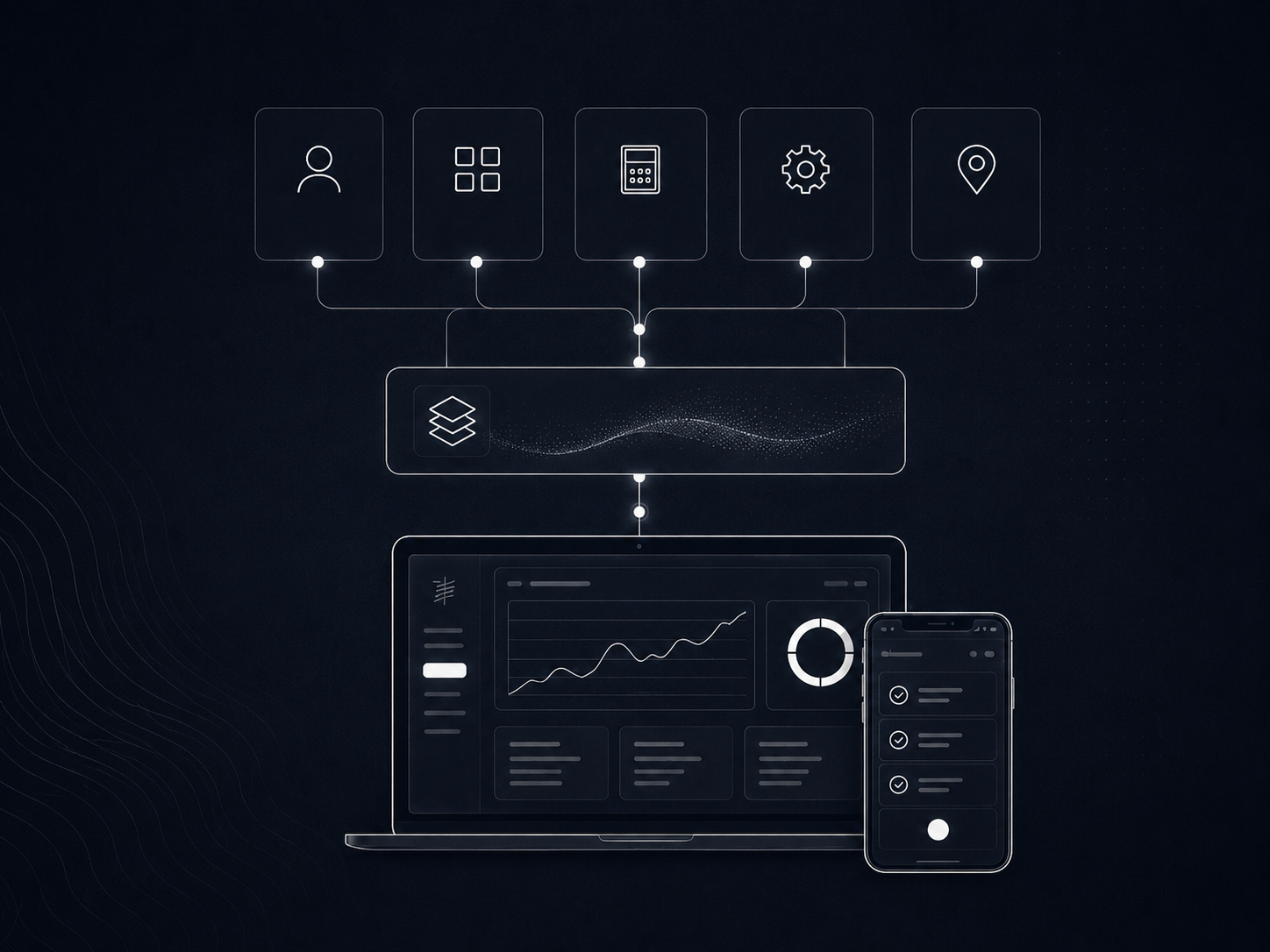
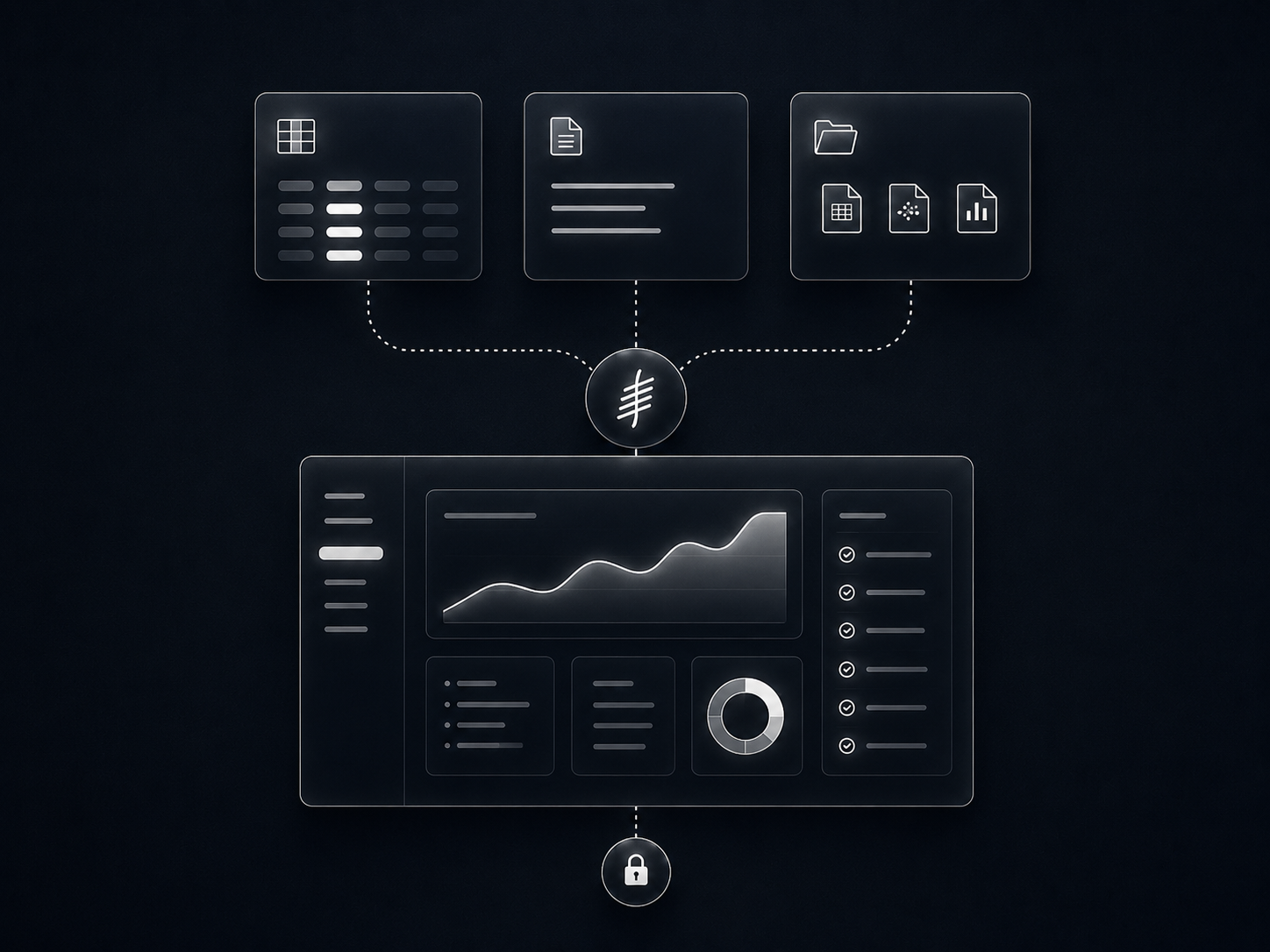
The objective was not to add more tools, but to simplify the environment by consolidating data into a centralized system that could serve as a reliable source of truth.
Outcome
Reduced reliance on spreadsheets and legacy databases.
Financial and operational data the team could trust.
Complete invoice history available in seconds.
Fewer manual touch-points and less administrative overhead.
Disclaimer: This case study reflects a real-world systems cleanup engagement. Specific tools and details have been generalized to protect client confidentiality.
Next step
If your business is running on a patchwork of spreadsheets, databases, and paper, a short conversation can clarify whether consolidation would reduce risk and complexity.